The context
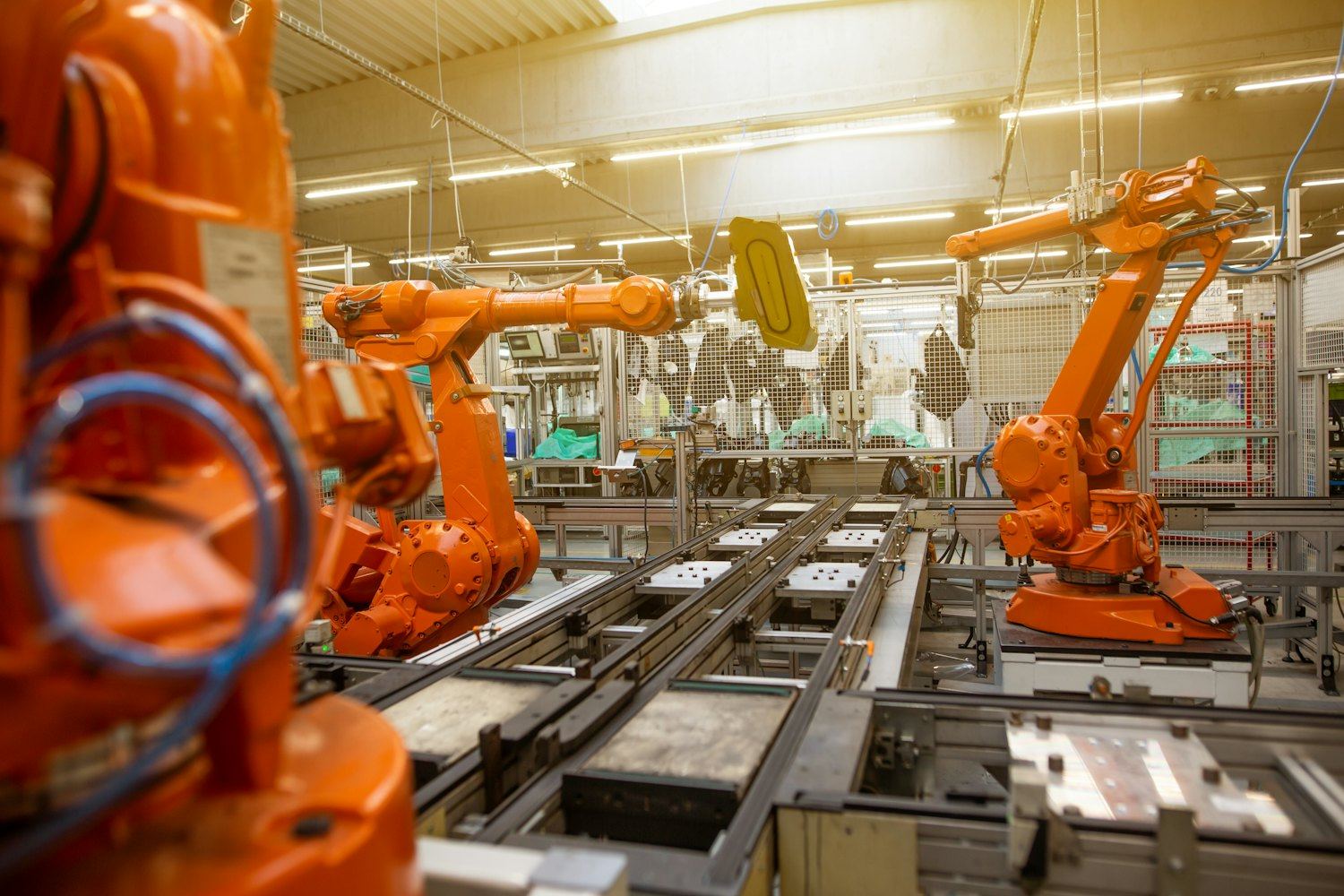
Unplanned breakdowns of critical machinery halt production, waste material and put people at risk. The manufacturer wanted to move from reactive repairs to condition-based, predictive maintenance driven by live machine data.
What was holding them back
Sudden failures stopped production lines without warning.
Repairs happened after breakdowns, at the highest cost.
Little real-time data on the condition of critical components.
Failing equipment created hazards on the shop floor.
What they set out to achieve
- Continuously monitor critical machine components
- Detect early signs of failure from sensor data
- Schedule maintenance in planned downtime
- Give engineers data to decide on, not guesswork
What we built
Sensor network
Sensors on critical components capture temperature, vibration, pressure and other key parameters.
Real-time data flow
Readings stream continuously to a central data-processing unit.
Time-series analytics
Trend and pattern analysis on each signal reveals gradual degradation.
Machine-learning models
Algorithms learn normal behaviour and flag anomalies that precede failure.
Proactive alerts
Teams are warned early enough to plan the fix.
Health dashboards
A live view of equipment condition across the plant.
The results
- Maintenance scheduled during planned downtime, protecting output
- Improved efficiency and data-driven decision-making
- Extended life of critical machinery